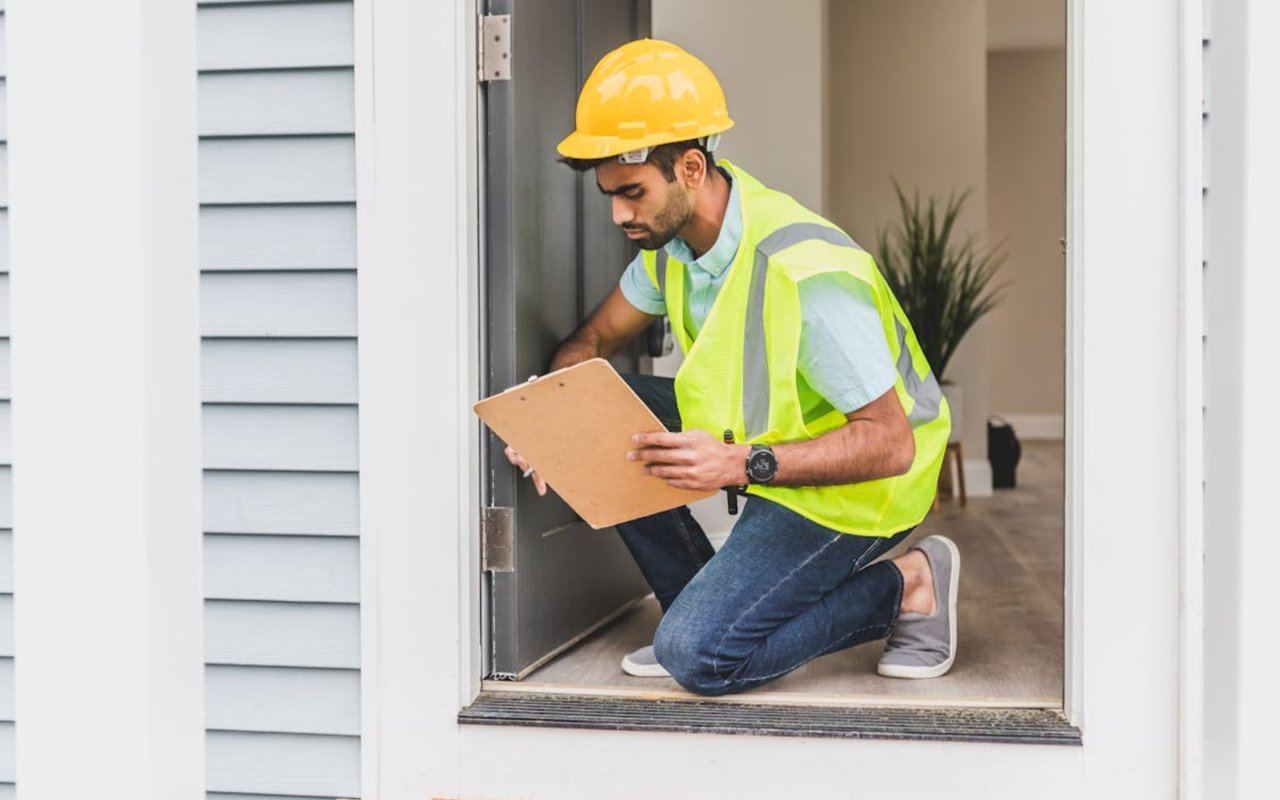
Selling your home is an exciting milestone, but it can also be a complex process filled with details and decisions. One of the smartest moves you can make before listing is to schedule a professional home inspection. While inspections are traditionally associated with buyers, sellers are increasingly recognizing the benefits of being proactive. A pre-listing inspection can uncover hidden issues, strengthen your negotiating position, and help your property stand out in a competitive market.
Here’s everything you need to know about getting your home inspected before selling—and how it can make your entire transaction smoother and more profitable.
What Is a Pre-Listing Home Inspection?
A pre-listing inspection is a professional evaluation of your home’s condition conducted before you put it on the market. Just like a buyer’s inspection, it assesses the structural and mechanical components of your property, from the roof to the foundation.
The inspector provides a detailed report highlighting areas that may need repair, maintenance, or further evaluation. This transparency gives you the opportunity to address problems early or adjust your listing strategy accordingly.
Think of it as a dress rehearsal for the buyer’s inspection—one that allows you to take control of the narrative before the official show begins.
The inspector provides a detailed report highlighting areas that may need repair, maintenance, or further evaluation. This transparency gives you the opportunity to address problems early or adjust your listing strategy accordingly.
Think of it as a dress rehearsal for the buyer’s inspection—one that allows you to take control of the narrative before the official show begins.
Why a Pre-Listing Inspection Matters
Many sellers hesitate to invest in an inspection before listing, but the benefits can far outweigh the cost. Here’s why it’s worth serious consideration:
1. It builds trust with buyers. When potential buyers see that you’ve already completed a professional inspection, it signals honesty and confidence in your home’s condition. This transparency can set your listing apart and make buyers more comfortable making a strong offer.
2. It helps you avoid last-minute surprises. Buyer inspections often uncover issues that lead to price renegotiations or delays. By identifying and addressing problems upfront, you eliminate the element of surprise and maintain control over your timeline.
3. It allows for thoughtful repairs. Instead of rushing through repairs under contract deadlines, you can schedule fixes on your own terms and potentially at a lower cost. You’ll also have time to choose quality materials and trusted contractors rather than settling for quick solutions.
4. It can justify your asking price. An inspection report that shows your home is in excellent condition supports your pricing strategy. When buyers know a property has been well maintained, they’re more likely to agree to your valuation.
5. It leads to smoother negotiations. When both parties have access to the same clear information, it minimizes tension and builds confidence. A clean report can even encourage buyers to waive their own inspection contingency, expediting closing.
1. It builds trust with buyers. When potential buyers see that you’ve already completed a professional inspection, it signals honesty and confidence in your home’s condition. This transparency can set your listing apart and make buyers more comfortable making a strong offer.
2. It helps you avoid last-minute surprises. Buyer inspections often uncover issues that lead to price renegotiations or delays. By identifying and addressing problems upfront, you eliminate the element of surprise and maintain control over your timeline.
3. It allows for thoughtful repairs. Instead of rushing through repairs under contract deadlines, you can schedule fixes on your own terms and potentially at a lower cost. You’ll also have time to choose quality materials and trusted contractors rather than settling for quick solutions.
4. It can justify your asking price. An inspection report that shows your home is in excellent condition supports your pricing strategy. When buyers know a property has been well maintained, they’re more likely to agree to your valuation.
5. It leads to smoother negotiations. When both parties have access to the same clear information, it minimizes tension and builds confidence. A clean report can even encourage buyers to waive their own inspection contingency, expediting closing.
What the Inspector Will Evaluate
A professional home inspection covers all major systems and visible components. While each inspector may differ slightly, most will examine:
- Roof: Age, condition, flashing, and potential leaks.
- Foundation: Cracks, settling, or structural concerns.
- Exterior: Siding, gutters, grading, and drainage.
- Plumbing: Water pressure, leaks, and condition of pipes and fixtures.
- Electrical: Service panels, wiring, outlets, and safety compliance.
- HVAC: Heating, cooling, and ventilation efficiency.
- Interior: Walls, ceilings, doors, windows, and flooring.
- Attic and insulation: Ventilation, insulation depth, and moisture issues.
- Appliances: Functionality of built-in systems like dishwashers and ovens.
- Crawl space or basement: Signs of moisture, pests, or structural weakness.
The goal isn’t perfection—it’s clarity. Every home, even newer ones, will have minor findings. The key is understanding which issues are routine and which could impact a sale.
How to Prepare for the Inspection
Taking time to prepare before the inspector arrives ensures a thorough and efficient process.
Here are the steps to follow:
Here are the steps to follow:
- Declutter and clean. Give the inspector clear access to walls, appliances, attics, and basements.
- Replace burned-out bulbs. It helps the inspector verify that fixtures are functional.
- Open locked areas. Ensure all closets, electrical panels, and crawl spaces are accessible.
- Check your filters and maintenance items. Replace HVAC filters, clean vents, and test smoke and carbon monoxide detectors.
- Gather documentation. Have records of recent repairs, upgrades, or warranties ready.
A well-prepared home signals that it has been cared for and sets a positive tone for the inspection.
Understanding the Inspection Report
After the inspection, you’ll receive a detailed report summarizing findings, often with photos and recommendations. The report typically categorizes issues by severity—minor maintenance items, moderate concerns, and major repairs.
Don’t be alarmed by the length or detail of the report. Inspectors are trained to note everything, even small items that may not be significant to a buyer. Review the findings carefully with your real estate agent to decide which items are worth addressing.
Your agent can help you weigh the cost and benefit of each potential repair. For example, a small plumbing leak or missing shingle is worth fixing, while a purely cosmetic issue may not require immediate attention.
Don’t be alarmed by the length or detail of the report. Inspectors are trained to note everything, even small items that may not be significant to a buyer. Review the findings carefully with your real estate agent to decide which items are worth addressing.
Your agent can help you weigh the cost and benefit of each potential repair. For example, a small plumbing leak or missing shingle is worth fixing, while a purely cosmetic issue may not require immediate attention.
What to Do After the Inspection
Once you understand the report, you have several options:
Make strategic repairs
Addressing key issues before listing can prevent them from becoming negotiation points later. Focus on repairs that impact safety, functionality, or first impressions—such as leaks, electrical issues, or visible wear.
Offer the report to buyers
Sharing your pre-listing inspection can enhance credibility. It shows that you’re proactive and have nothing to hide, which can attract serious buyers and discourage unnecessary low offers.
Adjust your listing price if necessary
If major repairs are needed but you prefer not to complete them, consider adjusting your price accordingly. Buyers appreciate transparency and may still pursue the property if they feel the value reflects the condition.
The Cost of a Pre-Listing Inspection
The cost of a home inspection varies by size and location, but for most single-family homes, you can expect to pay between $300 and $600. For larger or luxury properties, costs may be higher, especially if specialized inspections are needed for pools, docks, or outbuildings.
While this may seem like an added expense, it’s a small investment compared to the potential cost of losing a deal or facing last-minute price concessions.
While this may seem like an added expense, it’s a small investment compared to the potential cost of losing a deal or facing last-minute price concessions.
How a Pre-Listing Inspection Impacts the Sale
When done properly, a pre-listing inspection positions your home as a premium, well-cared-for property. It communicates to buyers that you value quality and transparency—two traits that inspire confidence.
Homes that are pre-inspected often sell faster and closer to asking price because they reduce uncertainty. In some cases, buyers may even waive their inspection, expediting the path to closing.
Homes that are pre-inspected often sell faster and closer to asking price because they reduce uncertainty. In some cases, buyers may even waive their inspection, expediting the path to closing.
The Role of Your Real Estate Agent
Your agent plays a crucial role in managing this process. They can help you choose a reputable inspector, interpret findings, and determine which improvements will deliver the best return. They’ll also incorporate inspection results into your marketing strategy, highlighting recent updates or verified systems in listing materials.
An experienced agent knows how to position your home’s condition as a selling point, not a liability.
An experienced agent knows how to position your home’s condition as a selling point, not a liability.
Prepare with Confidence with The Cheek Team
Selling your home is a major milestone, and knowledge is your greatest advantage. A pre-listing inspection provides clarity, reduces stress, and helps you move through the selling process with confidence.
The Cheek Team, Southeastern North Carolina’s trusted real estate experts, understands what today’s buyers are looking for and how to help sellers prepare their homes for success. With their local expertise and commitment to excellence, they’ll guide you through every step—from inspection and preparation to pricing and closing.
If you’re considering selling your home, contact The Cheek Team today to schedule a personalized consultation. With the right preparation and expert guidance, you can showcase your home at its best and sell with confidence.
The Cheek Team, Southeastern North Carolina’s trusted real estate experts, understands what today’s buyers are looking for and how to help sellers prepare their homes for success. With their local expertise and commitment to excellence, they’ll guide you through every step—from inspection and preparation to pricing and closing.
If you’re considering selling your home, contact The Cheek Team today to schedule a personalized consultation. With the right preparation and expert guidance, you can showcase your home at its best and sell with confidence.
