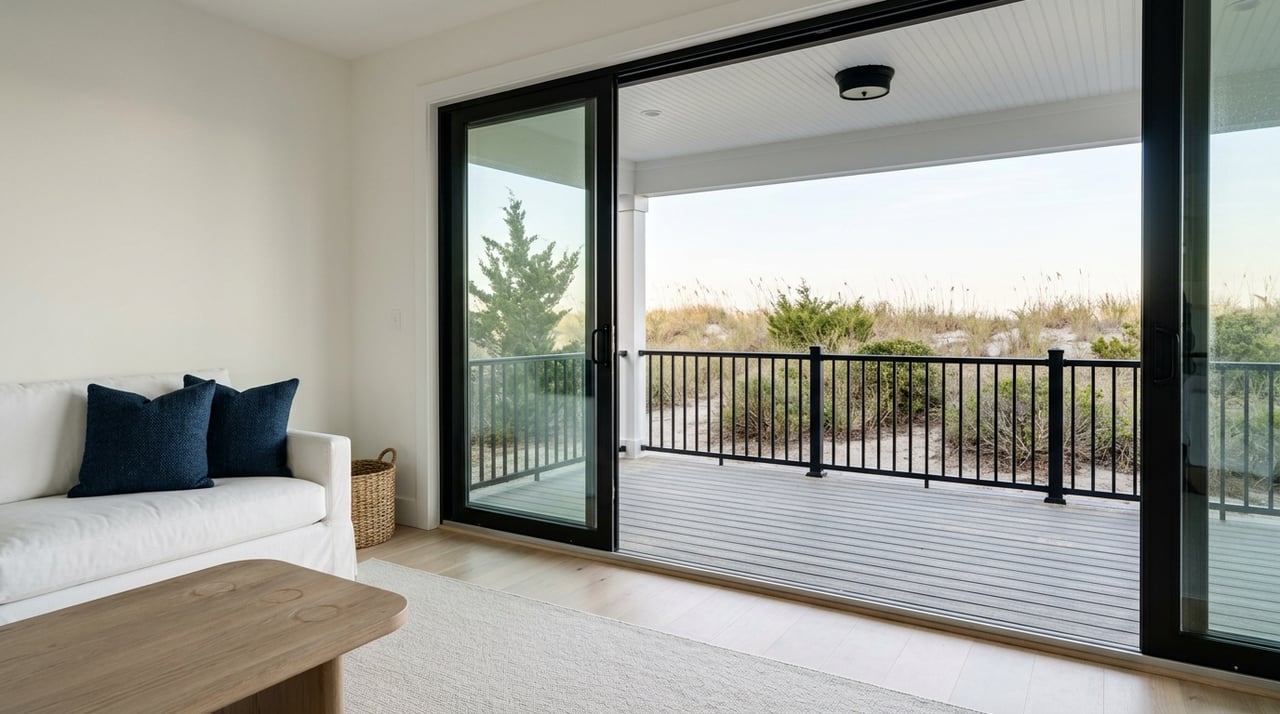
What if one home could give you an easy coastal escape now and rental potential when you are away? That idea draws many buyers to Holden Beach, especially if you want a place that feels peaceful, usable, and genuinely tied to the coast. If you are weighing lifestyle and income together, it helps to understand how this market really works. Let’s dive in.
Why Holden Beach Fits Both Goals
Holden Beach has a different feel than many beach destinations. The town describes itself as a family beach and a primarily residential community with only a small commercial area. Brunswick County tourism materials also highlight its quiet pace, small-town charm, and unspoiled beauty.
For you as a buyer, that means the appeal is not built around dense resorts or nightlife. It is built around beach time, fishing, wildlife, boating, shelling, and time with family and friends. That quieter identity is a big reason many people see Holden Beach as both a personal retreat and a vacation-rental opportunity.
Location also helps. Holden Beach sits about 40 minutes from Wilmington and Myrtle Beach, which makes it accessible for drive-to visitors while still feeling separate from busier coastal hubs. That balance can be attractive if you want convenience without giving up the slower rhythm that makes a beach home feel like a true escape.
What Makes Holden Beach Feel Like a Retreat
A retreat property should help you slow down the minute you arrive. In Holden Beach, the setting does a lot of that work for you. With more than eight miles of sandy beach and a mostly residential environment, the experience tends to center on the home, the shoreline, and the natural surroundings.
Most restaurants, shops, and attractions are across the bridge on the mainland. That reinforces the island’s calm, residential feel and keeps the focus on simple coastal living. If you want a place where mornings start with coffee on the porch and evenings end with a beach walk, Holden Beach aligns well with that lifestyle.
The town’s visitor guidance also reflects a quieter beach culture. Sea turtle season runs from May 1 through October 31, and the town asks visitors to be mindful of nighttime behavior. That supports a slower-paced, experience-driven environment that many second-home buyers are specifically looking for.
How the Rental Side Can Work
A Holden Beach home can offer rental upside, but it is important to think of that as a possibility rather than a guarantee. Demand here is closely tied to seasonality, property features, local rules, and how well your home matches what vacation guests want.
Regional averages for North Carolina’s Southern Beaches point to a warm-weather-driven pattern, with the strongest beach season in summer. Based on local tourism activity, summer concerts beginning in late May, sea turtle season, and the summer activity around the pier, the strongest rental demand is likely late May through August. Spring and fall may also attract visitors who come for fishing, shelling, and a quieter beach experience.
That matters because your use plan should match the market. If you want heavy personal use in peak summer, that may affect your rental window. If you are comfortable reserving your own stays in shoulder seasons, you may create more availability during the most active travel period.
Features Buyers Should Prioritize
Not every beach home performs the same way for personal enjoyment or guest appeal. In Holden Beach, local rental examples commonly emphasize features that help the property function like a private coastal retreat.
Here are some features that often stand out in this market:
- Private pools
- Hot tubs
- Docks or boat access
- Elevators
- Wi-Fi
- Pet-friendly setup
- Larger floor plans for multi-family stays
- Outdoor living space
- Easy beach access
- Storage for beach or boating gear
These features do not promise higher revenue, but they match what local rental listings often highlight. In a market that is less commercial and more home-centered, comfort and convenience on the property itself can make a big difference.
Beach Access Matters More Than You Think
Beach access is one of the most practical details to evaluate. Holden Beach has more than 20 public beach accesses, and the town allows use of CAMA-marked public access points unless a guest has access to a private walkway.
For you, that means location is not just about an ocean view or a map pin. It is about how easy it feels to get from the house to the sand with chairs, toys, coolers, and family members in tow. A home that makes beach days simple can support both your own enjoyment and guest appeal.
Think About Group-Friendly Layouts
Holden Beach has a family-oriented identity, and local rental patterns suggest that larger homes can be especially appealing for reunion-style stays or trips with multiple households. If you are shopping with investment potential in mind, floor plan matters almost as much as finishes.
Look for homes with multiple bedroom suites, flexible gathering space, and strong indoor-outdoor flow. Covered porches, easy kitchen access, and practical storage can make a home more comfortable for extended stays. Those same features also tend to improve your experience when you use the property yourself.
Understand the Seasonal Rhythm
One of the biggest mistakes buyers make is treating every beach market the same. Holden Beach has a clear seasonal rhythm, and your expectations should reflect that.
Summer is the core beach season. The pier sees summer tourist traffic, while spring and fall are also tied to fishing activity, including drum fishing. Winter can still be beautiful for personal use, but some attractions operate differently, and the pier closes in winter for maintenance.
If you are planning around mixed personal and rental use, this seasonal pattern can guide your calendar. Many owners prefer peak-demand rental periods in summer and reserve some spring, fall, or winter dates for quieter personal stays.
Know the Local Rules Before You Buy
A retreat-and-investment strategy works best when the home fits the town’s rules and the type of guest experience Holden Beach supports. This is not a market built around large party groups.
Town guidance notes several rules that can affect guests and owners:
- Pets are restricted from the beach strand during summer daytime hours
- Beach equipment cannot be left out overnight
- Open fires and fireworks are prohibited, except sparklers
- Public beach driving is prohibited
- There are no lifeguards in town
These details may seem small, but they shape guest expectations and property management. If you plan to rent, your house rules, welcome information, and setup should support a respectful, rule-aware stay.
Coastal Due Diligence Is Essential
In any coastal market, due diligence matters. In Holden Beach, the town provides flood information, flood maps, elevation certificate resources, planning resources, CAMA minor applications, and pool applications.
That means you should look closely at flood considerations, elevation, permitting history, and any future improvement plans before you buy. If you are considering adding or updating features like a pool, those local review steps matter. A beach home can be a wonderful long-term asset, but only if you understand the property’s practical and regulatory context.
Utilities are another detail to keep on your checklist. The town provides water and sewer service and asks buyers and sellers to establish or amend utility accounts at closing. That is a small step, but one that should be handled smoothly as part of your closing plan.
Tax Basics for Mixed Personal and Rental Use
If you plan to use the home yourself and also rent it out, recordkeeping becomes important. The IRS says a vacation home used personally for more than the greater of 14 days or 10% of rental days is treated as a residence for limitation purposes.
The IRS also states that if a home is rented for fewer than 15 days in a year, the rental income generally is not reported and rental expenses are not deducted. When a property has both personal and rental use, expenses generally must be divided by days of use. Personal use days can include time used by you, family members, or anyone paying less than a fair rental price.
At the local level, Brunswick County levies a 1% room occupancy tax on rentals that are subject to sales tax because they are rented for less than 15 days. North Carolina also taxes rentals of a private residence, cottage, or similar accommodation listed with a broker or agent through state and applicable local or transit sales and use tax, plus any local occupancy tax.
Because tax treatment depends on how you use the property, it is smart to talk with a qualified tax professional before assuming a certain ownership plan will meet your goals. Good records and clear expectations can save you stress later.
A Smart Way to Evaluate the Opportunity
If you are serious about using a Holden Beach home as both a retreat and an investment, keep your evaluation simple and grounded. Focus on how the property supports your lifestyle first, then measure its rental appeal based on real local factors.
Ask yourself:
- How often do you want to use the home personally?
- Are you comfortable renting during peak summer weeks?
- Does the layout work for family use and guest stays?
- Is beach access convenient?
- Do the amenities fit what this market tends to value?
- Have you reviewed flood, elevation, and permitting details?
- Do you understand the local rules that affect guest use?
- Have you discussed tax treatment with a professional?
When you answer those questions early, you can buy with more confidence. That usually leads to better long-term decisions than chasing broad assumptions about vacation-rental income.
The Bottom Line on Holden Beach
A Holden Beach home can absolutely make sense as a personal retreat with rental upside. The setting, residential character, and family-oriented appeal give the market a strong foundation for buyers who want both enjoyment and flexibility.
At the same time, the outcome depends on the specific home, its amenities, beach access, local rules, seasonality, and how you plan to use it. The strongest purchase decisions come from balancing the emotional pull of the beach with practical coastal due diligence.
If you are considering a second home or investment property in Holden Beach, local guidance matters. The Cheek Team - A Boutique Brokerage can help you evaluate properties with a clear understanding of Brunswick County’s coastal market, so you can choose a home that fits both the way you want to live and the way you want to invest.
FAQs
What makes Holden Beach attractive for a retreat home?
- Holden Beach is known for its primarily residential setting, quiet pace, more than eight miles of sandy beach, and a lifestyle centered on beach time, fishing, wildlife, and family gatherings rather than dense commercial activity.
What is the strongest rental season for a Holden Beach home?
- Based on regional weather patterns and local tourism activity, the strongest rental demand is likely late May through August, with added interest in spring and fall for fishing, shelling, and quieter beach trips.
What amenities can help a Holden Beach vacation home appeal to guests?
- Local rental examples often highlight private pools, hot tubs, docks or boat access, elevators, Wi-Fi, pet-friendly policies, larger layouts, outdoor living areas, and practical beach or boating storage.
What local rules should buyers know about Holden Beach rentals?
- Buyers should understand beach-related rules such as summer daytime pet restrictions on the strand, no overnight beach equipment left out, limits on fires and fireworks, no public beach driving, and the fact that there are no lifeguards in town.
What tax issues matter for a Holden Beach home used for both personal stays and rentals?
- Mixed-use owners should pay close attention to personal-use days, rental days, expense allocation, and applicable North Carolina and Brunswick County taxes, then confirm details with a qualified tax professional.
What due diligence is important when buying a Holden Beach investment property?
- You should review flood information, elevation details, permitting considerations, utility setup, beach access, property layout, and any local planning factors that could affect how you use or improve the home.
